Ledger Cold Wallet Maintenance: Long-Term Storage Guide
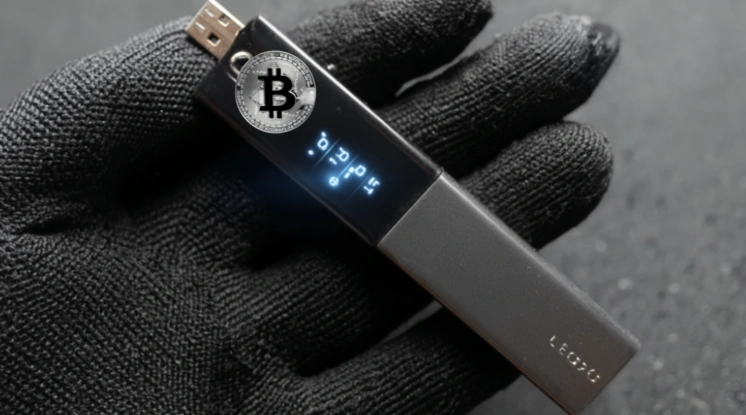
Ledger Cold Wallet Maintenance ensures continued security and functionality for users holding cryptocurrency over extended periods spanning years or decades. Long-term storage requires attention to firmware updates that address security vulnerabilities, device care that preserves hardware functionality, and backup verification that confirms recovery capability when eventually needed. Proper maintenance protects both the device and the assets it secures through the secure element.
Ledger Cold Wallet Long Term Use differs from active trading patterns where daily interaction naturally reveals issues. Long-term holders may not access devices for months between transactions, making scheduled maintenance essential for identifying problems before they become critical for cold storage operations. This page covers maintenance practices that ensure reliable access throughout extended holding periods across all supported coins.
Maintaining Ledger Cold Wallet for Long-Term Storage
Ledger cold wallet maintenance establishes routines that preserve device functionality and security over time without requiring constant attention. The balance between neglect and excessive handling ensures devices remain operational when needed while minimizing wear from unnecessary use. Understanding appropriate maintenance intervals helps long-term holders maintain confidence in their crypto security arrangements.
Maintenance priorities include keeping firmware current, verifying backup accessibility, and confirming device functionality periodically. Each element addresses specific risks that could compromise long-term access to private keys if left unattended in cold wallet systems.
Firmware Updates and Security Checks
Ledger cold wallet firmware update importance and schedule:
| Maintenance Task | Recommended Frequency | Purpose |
|---|---|---|
| Firmware updates | When available | Security patches |
| Device power-on test | Monthly | Confirm functionality |
| PIN verification | Monthly | Confirm access |
| Genuine check | Quarterly | Verify authenticity |
| Battery charge (Nano X) | Monthly | Maintain battery health |
| Backup location check | Quarterly | Confirm accessibility |
| Recovery test (optional) | Annually | Verify phrase accuracy |
Firmware updates should be installed promptly when released, as they often address security vulnerabilities that could affect device protection through the secure element.
Best Practices for Long-Term Holders
Ledger cold wallet long term storage essential practices:
- Subscribe to Ledger security announcements for update notifications
- Maintain current Ledger Live installation for device management
- Store device in climate-controlled environment
- Keep USB-C cable accessible and functional
- Document device location for succession planning
- Consider backup device for redundancy
- Review and update backup locations periodically
Long-term holders benefit from establishing maintenance routines rather than relying on memory. Calendar reminders for quarterly checks prevent extended periods of neglect for cold storage assets.
Device Care and Longevity
Ledger cold wallet maintenance extends to physical device care that maximizes operational lifespan. Electronic components have finite lifespans affected by environmental conditions, usage patterns, and storage practices. Appropriate care ensures devices remain functional throughout intended holding periods for crypto security protection.
Device longevity varies by model and usage intensity. The secure element chip typically outlasts other components, while batteries (Nano X), displays, and connectors may require attention over extended periods. Understanding component lifespans helps users plan for eventual replacement.
Physical Maintenance Requirements
Ledger cold wallet long term storage physical care:
Device care guidelines:
- Store in cool, dry location between uses
- Avoid extreme temperature exposure
- Protect from moisture and humidity
- Keep away from magnetic sources
- Use protective case for storage
- Handle connectors carefully during USB-C connection
- Clean display gently if needed
- Charge Nano X monthly to preserve battery
- Inspect for physical damage periodically
- Replace device proactively before failure
Physical care extends device lifespan while ensuring reliable access when transactions become necessary. Unlike Trezor or KeepKey with different hardware specifications, Ledger devices require attention to model-specific maintenance needs.
Backup Verification Schedule
Ledger cold wallet maintenance must include regular backup verification confirming recovery phrase accessibility and accuracy. Backup degradation through environmental damage, ink fading, or storage location issues can prevent recovery when needed. Scheduled verification identifies problems while correction remains possible for cold storage protection.
Verification should confirm both phrase accessibility (can you locate and access the backup) and phrase accuracy (does the recorded phrase match the wallet). Both elements are essential for successful recovery of private keys.
Testing Recovery Procedures
Ledger cold wallet firmware update and backup testing:
- Locate backup and verify physical accessibility
- Inspect backup medium for damage or degradation
- Confirm all 24 words remain legible
- Verify word sequence matches original recording
- Consider test recovery on secondary device
- Document verification completion and date
- Update backup if any concerns arise
Full recovery testing on a separate device provides the strongest verification but requires additional hardware. Visual inspection catches most issues while maintaining simpler procedures for all supported coins.
For recovery procedures, see our Ledger Cold Wallet Recovery guide. For advanced features, visit Advanced Ledger Cold Wallet Usage. For troubleshooting, see Ledger Cold Wallet Errors.
Frequently Asked Questions
Install updates when available, typically within days of release. Firmware updates address security vulnerabilities that could affect device protection through the secure element.
Older firmware may contain known vulnerabilities. While immediate risk is limited, best practice requires current firmware for optimal crypto security in cold storage.
The secure element chip lasts 30+ years. Batteries and connectors typically last 5-10 years with proper care. Plan for eventual device replacement within this timeframe.
Backup devices provide convenience for quick recovery but are not strictly necessary. The recovery phrase enables restoration on any compatible device when needed.
Recovery phrases never expire. Validity depends on accurate recording. Test by attempting recovery on a secondary device or using Ledger's recovery check feature via USB-C connection.
Obtain replacement device and recover using your phrase. Cryptocurrency remains on blockchain networks; device failure only affects your access method through the cold wallet.
Yes. Bank vaults provide security but limit access. Ensure the recovery phrase is stored separately in case device access becomes needed while the vault is inaccessible.