Advanced Ledger Cold Wallet Usage: Power User Features Guide
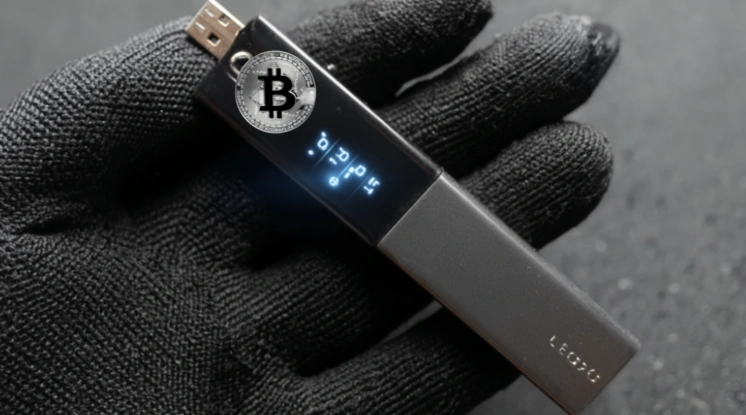
Advanced Ledger Cold Wallet Usage extends beyond basic transaction signing to include sophisticated security features, enhanced privacy options, and integration capabilities designed for experienced cryptocurrency users. Power users leverage passphrase protection for hidden wallets, connect to third-party applications for DeFi participation, and implement complex account structures for organizational purposes. These features provide enhanced flexibility while maintaining the fundamental crypto security that cold storage provides through the secure element.
Ledger Cold Wallet Advanced Features address requirements that basic usage cannot satisfy, including plausible deniability through hidden wallets, enhanced privacy through account separation, and access to decentralized applications through Web3 integrations. Unlike simpler solutions from Trezor or KeepKey, Ledger's advanced feature set supports sophisticated use cases while maintaining the private keys isolation that protects assets. This page covers advanced capabilities for users ready to explore the full potential of hardware wallet technology across all supported coins.
Advanced Features of Ledger Cold Wallet
Ledger cold wallet advanced features extend hardware wallet capabilities beyond standard transaction operations to address sophisticated user requirements. These features include passphrase-protected hidden wallets, advanced account derivation, third-party application integration via USB-C or Bluetooth, and specialized signing modes for specific use cases. Understanding available options enables users to leverage appropriate features when circumstances warrant their complexity.
Advanced features generally introduce additional complexity and responsibility. Users should thoroughly understand each feature before implementation, as improper use can result in access loss or reduced security. The power these features provide comes with corresponding requirements for careful handling.
When Advanced Usage Makes Sense
Advanced ledger cold wallet usage scenarios warranting enhanced features:
| Scenario | Relevant Feature | Benefit Provided |
|---|---|---|
| Coercion risk | Passphrase hidden wallet | Plausible deniability |
| Multiple organizations | Account separation | Clear fund segregation |
| DeFi participation | Third-party integration | Protocol access |
| Enhanced privacy | Multiple accounts | Address unlinkability |
| Inheritance planning | Documented structure | Clear succession |
| Business operations | Complex hierarchies | Organizational clarity |
Users without these specific requirements may find basic usage sufficient. Advanced features add value when their capabilities address genuine needs rather than theoretical concerns.
Separating Funds for Different Purposes
Ledger cold wallet account separation strategies for power users:
- Create distinct accounts for trading versus long-term holding
- Separate DeFi participation from cold storage savings
- Maintain dedicated accounts for different income sources
- Establish accounts aligned with tax reporting requirements
- Use passphrase wallets for highest-security reserves
- Document account purposes for future reference
- Implement consistent naming conventions across accounts
Account separation improves organization and can enhance privacy by preventing address linkage across unrelated transactions in the cold wallet system.
Passphrase Protection (25th Word)
Advanced ledger cold wallet usage includes passphrase functionality that creates entirely separate hidden wallets beyond the standard 24-word recovery phrase. The passphrase acts as a 25th word, deriving completely different private keys and addresses from the same recovery phrase base. This provides plausible deniability since the standard wallet appears first, while passphrase-protected wallets remain invisible without knowing the specific passphrase.
Passphrase protection requires additional backup and memory management since losing the passphrase means losing access to funds in the hidden wallet. The feature suits users facing specific threats requiring deniability but introduces complexity that basic users may not need for cold storage operations.
Implementing Hidden Wallets
Ledger cold wallet advanced features passphrase configuration:
Passphrase implementation workflow:
- Access Settings on hardware device
- Navigate to Security options
- Select Passphrase configuration
- Choose temporary or attached passphrase mode
- Enter chosen passphrase carefully
- Confirm passphrase entry accurately
- Access hidden wallet with unique addresses
- Document passphrase separately from recovery phrase
- Test access before storing significant funds
- Verify addresses differ from main wallet
Temporary passphrase mode requires entry each session while attached mode saves an encrypted passphrase requiring secondary PIN. Both provide access to hidden wallets not discoverable without the specific passphrase via the secure element.
Third-Party Integration

Advanced ledger cold wallet usage extends to third-party application connections enabling DeFi participation, NFT management, and specialized wallet interfaces while maintaining hardware-level crypto security. The device signs transactions requested by external applications just as it signs transactions from Ledger Live, with all operations requiring physical confirmation on the hardware screen.
Integration maintains security by ensuring private keys never leave the secure element regardless of which application requests signing. External applications construct transactions while the hardware wallet retains exclusive signing authority for all supported coins.
Connecting to External Applications
Ledger cold wallet advanced features integration options:
- MetaMask: Browser-based Ethereum and EVM chain access
- Rabby: Multi-chain DeFi wallet interface
- Electrum: Advanced Bitcoin wallet with UTXO control
- Sparrow: Privacy-focused Bitcoin management
- MyEtherWallet: Ethereum and token management
- Keplr: Cosmos ecosystem wallet integration
- Phantom: Solana ecosystem participation
Each integration connects through USB-C or Bluetooth while the hardware wallet approves all transactions. Users can access extensive DeFi ecosystems while maintaining cold wallet security through hardware confirmation of every transaction.
For recovery procedures, see our Ledger Cold Wallet Recovery guide. For maintenance, visit Ledger Cold Wallet Maintenance. For troubleshooting, see Ledger Cold Wallet Errors.
Frequently Asked Questions
The passphrase (25th word) creates completely separate hidden wallets from the same 24-word recovery phrase. Each unique passphrase generates different addresses and private keys for power users seeking enhanced security.
Yes. Funds in passphrase-protected wallets become permanently inaccessible if the passphrase is lost. The passphrase must be backed up separately with equal care as the recovery phrase.
Yes. MetaMask connects to Ledger for transaction signing while private keys remain in the secure element. The hardware wallet confirms all transactions regardless of where requests originate.
Unlimited. Each unique passphrase creates a different wallet. Users can maintain multiple hidden wallets for different purposes, each accessible only with its specific passphrase via USB-C or Bluetooth.
Yes. Passphrase protection, third-party integration, and advanced account features work on Nano S Plus, Nano X, Stax, and Flex models with identical functionality across all supported coins.
Beginners should master basic operations before exploring advanced features. Passphrase protection particularly carries risks from improper implementation that can result in fund loss.
Yes. Each passphrase creates a separate wallet. Users commonly maintain different passphrases for trading accounts versus long-term cold storage holdings with distinct crypto security requirements.